Critical Materials Refining, Redesigned

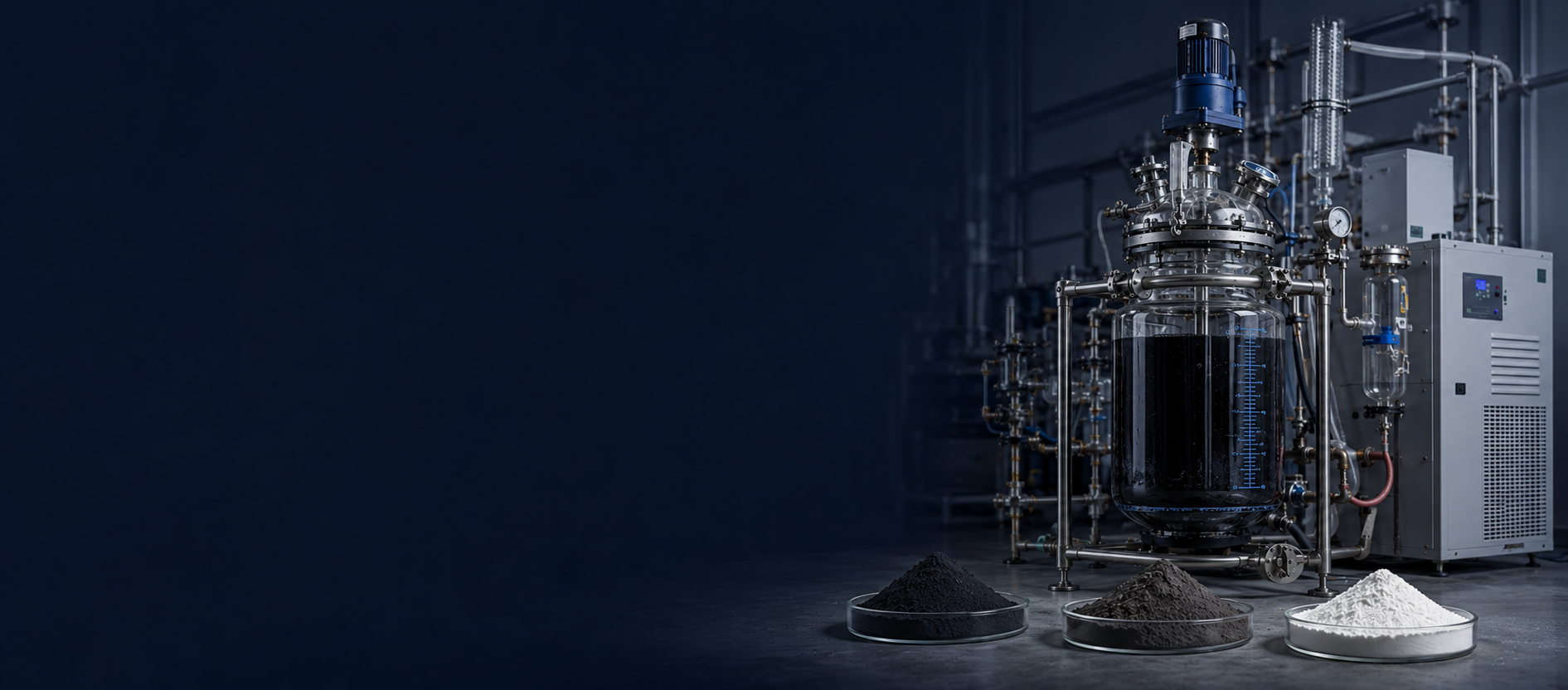
SPARC Evolution has developed a proprietary refining platform that produces pCAM and lithium hydroxide directly from NMC and LFP battery waste, without solvent extraction or conventional metal-by-metal separation. The result is battery-grade outputs validated at pilot scale.

The Critical Materials Challenge

The Refining Gap Is the Real Critical Materials Risk


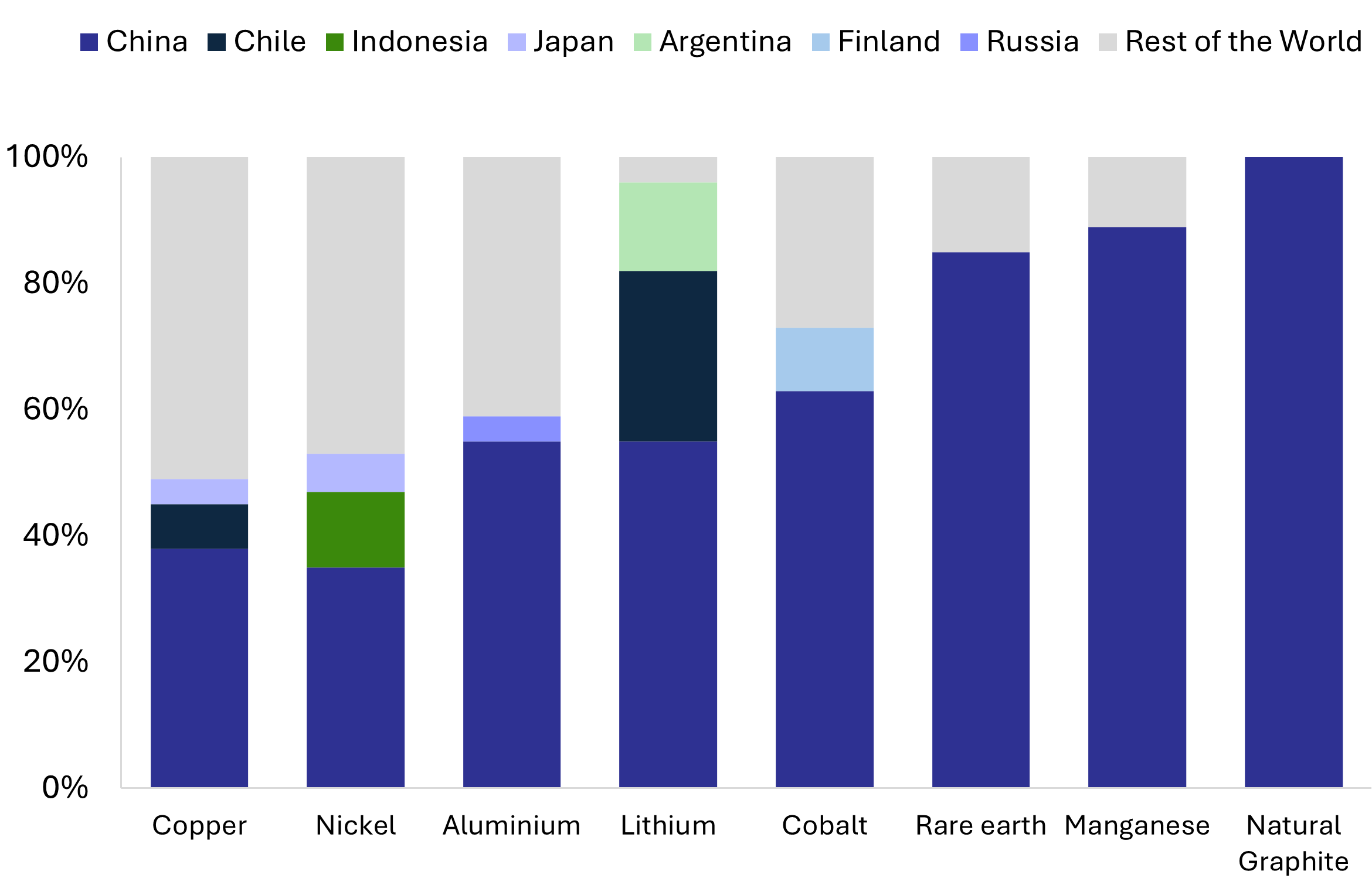
Global refining is concentrated overseas, leaving supply chains vulnerable. Yet the cleanest, fastest domestic source of critical materials is already in front of us as battery waste. Today’s recycling and refining methods, however, remain too costly, complex, and polluting to scale.

Global Refining Share of Key Battery Materials (2023)

Source: UNCTAD, OECD

The Opportunity

Battery Waste Is the Highest-Grade Domestic Source of Critical Materials


Battery waste isn’t just a problem; it’s the richest source of critical materials we have. It contains up to 10× more lithium, nickel, cobalt, and graphite than natural ore, representing a $100B+ opportunity by 2040. But most of that value will stay out of reach without efficient, economical technology.

We’ve built the solution to unlock it.

SPARC™ Solution

One Streamlined Refining Process. Direct Battery-Grade Outputs


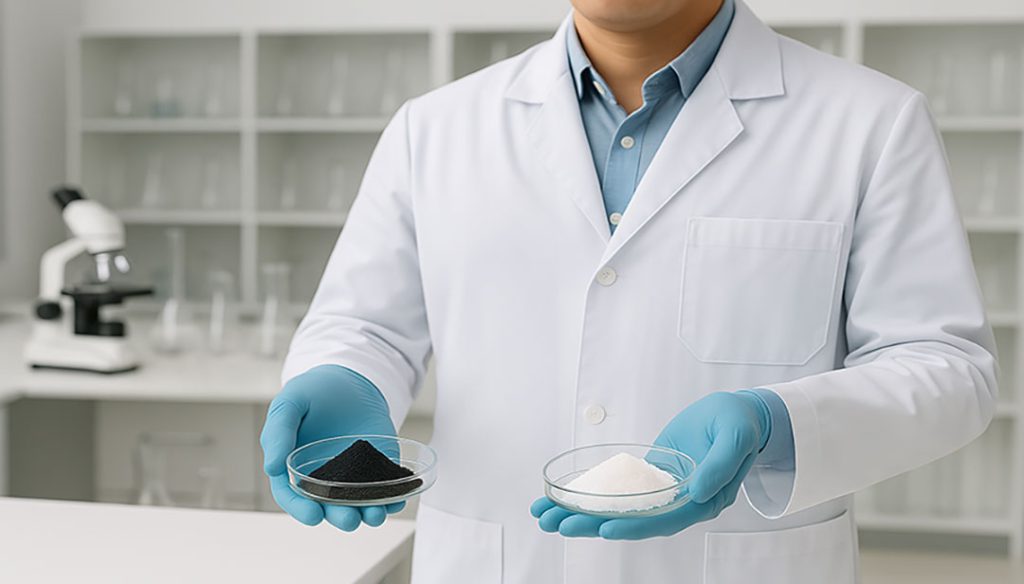
SPARC™ turns lithium-ion battery waste directly into battery-grade pCAM and lithium hydroxide, eliminating solvent extraction, full metal separation, and multi-step crystallization. 

The result is a simpler, faster path to battery-ready materials.

SPARC™ pCAM has been electrochemically validated on par with virgin-derived materials by a leading U.S. national laboratory.

What Makes SPARC™ Different?


SPARC™ does not improve conventional refining. It redesigns it.

  • Produces final battery-grade materials, not intermediates

  • Eliminates the most costly and complex refining steps

  • Designed for profitable operation at commercial scale

Explore how SPARC™ works

Our Mission & Vision


Mission:
To produce the critical materials the clean energy economy needs from the waste streams it already generates, at the economics required to scale.

Vision:
A domestic critical materials refining industry that is profitable by design, built on process thinking that makes smaller-scale, local production economically viable.

Want the full story? Explore our journey

Our Edge

Why SPARC Evolution


SPARC Evolution is led by a founder with 18+ years of hands-on hydrometallurgical process development, piloting, and commercial scale-up across critical materials programs on four continents.

The process has been validated at pilot scale, with product performance independently confirmed by a leading U.S. national laboratory. SPARC is now advancing customer qualification with OEMs and cathode manufacturers.

What sets us apart:

  • Deep expertise in hydrometallurgical refining, critical materials recovery, and process scale-up from lab through commercial deployment

  • Track record of delivering technologies to commercialization across North America, South America, Europe, and Asia

  • Strong networks across OEMs, battery manufacturers, and black mass suppliers

Pilot validated. Third-party confirmed. Customer qualification underway.

Partners in Innovation

SPARC Evolution works with leading innovation and commercialization programs that support advanced materials, critical materials refining, and clean technology scale-up.


How Does It Work?


SPARC™ takes black mass from NMC and LFP battery waste and produces battery-grade pCAM and lithium hydroxide through one streamlined process, without solvent extraction or full metal separation.

Explore how SPARC™ works

Process validated at pilot scale, with PCT patent applications filed covering NMC and LFP chemistries.

Partner With Us


SPARC is advancing customer qualification with OEMs and cathode manufacturers and is in active discussions with investors. If you are building in critical materials, now is the right time to connect.

Explore Investment & Partnership Opportunities

Contact Our Team

Let’s Work Together

Interested in collaborating or learning more about SPARC Evolution?